Four universities. Two continents. One shared goal.
CURIOUS pairs two Somali universities with two leading European institutions — creating a platform for knowledge exchange, joint programme development and long-term academic partnership.
4
Partner universities
2
Continents
3
Years of delivery
The four partner institutions
In depth
A Global Partnership
Uniting European pedagogical expertise with regional excellence to transform health professions education in Somalia. Each partner brings a distinct contribution — and each carries a defined role in delivering the project, presented and clarified at the launch event in Mogadishu.
Lead partner
Maastricht University
Maastricht, Netherlands
Maastricht University leads the CURIOUS consortium, holding overall responsibility for project management, coordination and reporting. Its leadership role was a central theme of the launch event programme.
The university is internationally recognised for problem-based learning and competency-driven health education — an approach directly relevant to CURIOUS’s aim of producing graduates whose skills match the needs of Somalia’s health system.
Project management, curriculum design, health education pedagogy
Partner
Karolinska Institutet
Stockholm, Sweden
Karolinska Institutet is one of Europe’s foremost medical universities and a long-standing contributor to global health capacity building. Its delegates took part in the launch event alongside the other consortium partners.
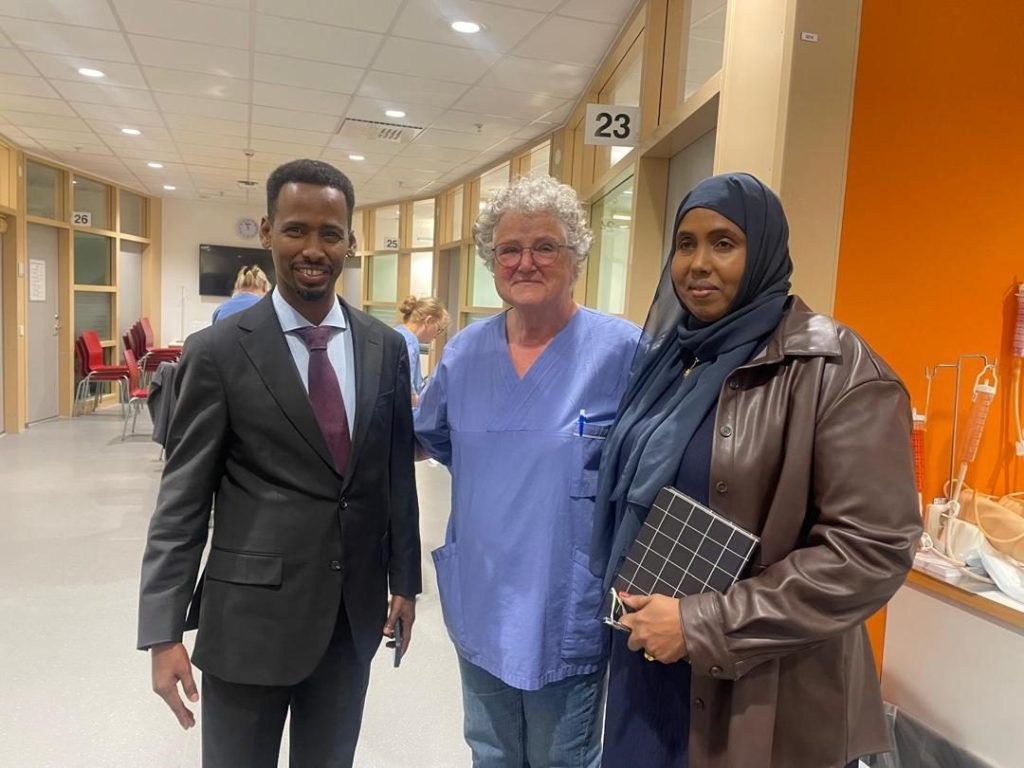
Within CURIOUS, Karolinska contributes depth in health research, medical education and research capacity development. The May 2026 study visit included its nursing programme in Huddinge and the Midwize midwifery training approach.
Health research, medical education, research capacity development
Launch host
Somali National University
KM 4, Mogadishu, Somalia
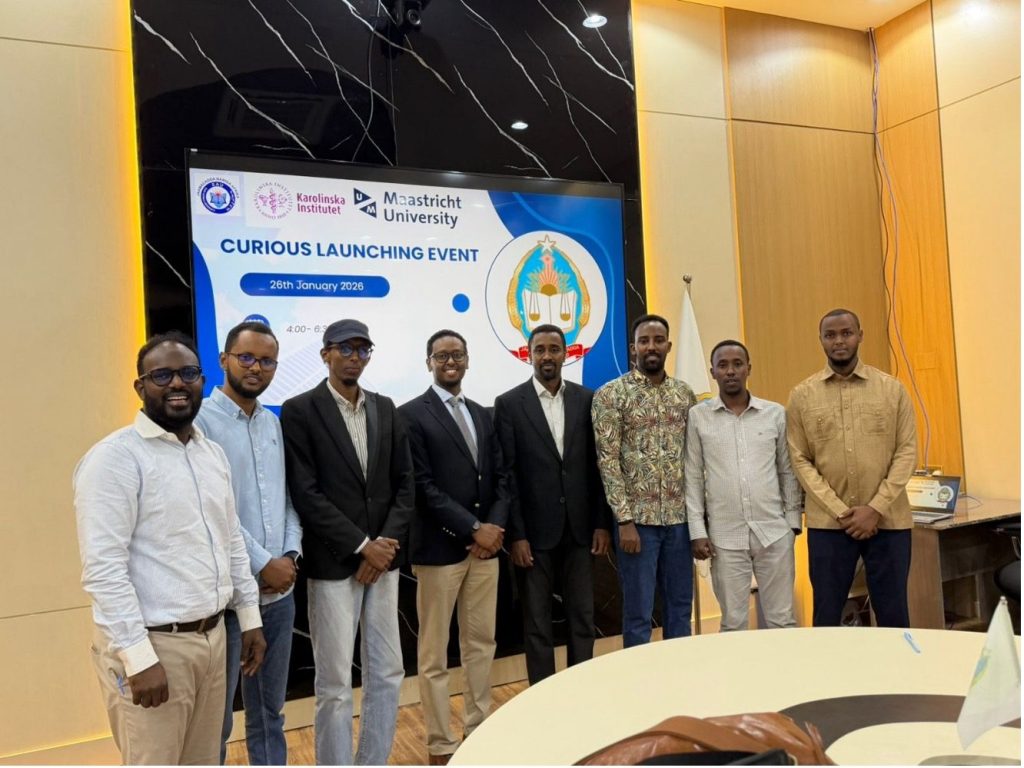
Somali National University is the country’s national flagship institution and hosted the CURIOUS launch event on 26 January 2026. Its Rector, Dr Mohamed Mohamud Mohamed (PhD), formally opened proceedings, welcoming the collaboration between the four institutions.
SNU hosted the first cascading training in August 2026, where fifteen academic staff were trained in competency-based curriculum design and Problem-Based Learning.
National reach, curriculum implementation, staff training
Partner
East Africa University
Somalia
East Africa University joins CURIOUS as the second Somali partner institution, represented at the launch event by its Rector and taking part in the May 2026 study visit to Maastricht University and Karolinska Institutet.
Its participation extends the project’s reach across Somali higher education and strengthens health-related teaching and research capacity beyond a single institution — making the project’s gains national rather than local.
Institutional reach, health teaching and research capacity
Governance
How the consortium works
A clear structure keeps four institutions across two continents accountable to a single plan.
Lead partner coordination
Maastricht University holds overall responsibility for delivery, financial management and reporting to the funder, coordinating all four institutions.
Institutional key contacts
Each partner nominates a named contact who drives activities on the ground and keeps their institution aligned with the shared project plan.
Regular consortium meetings
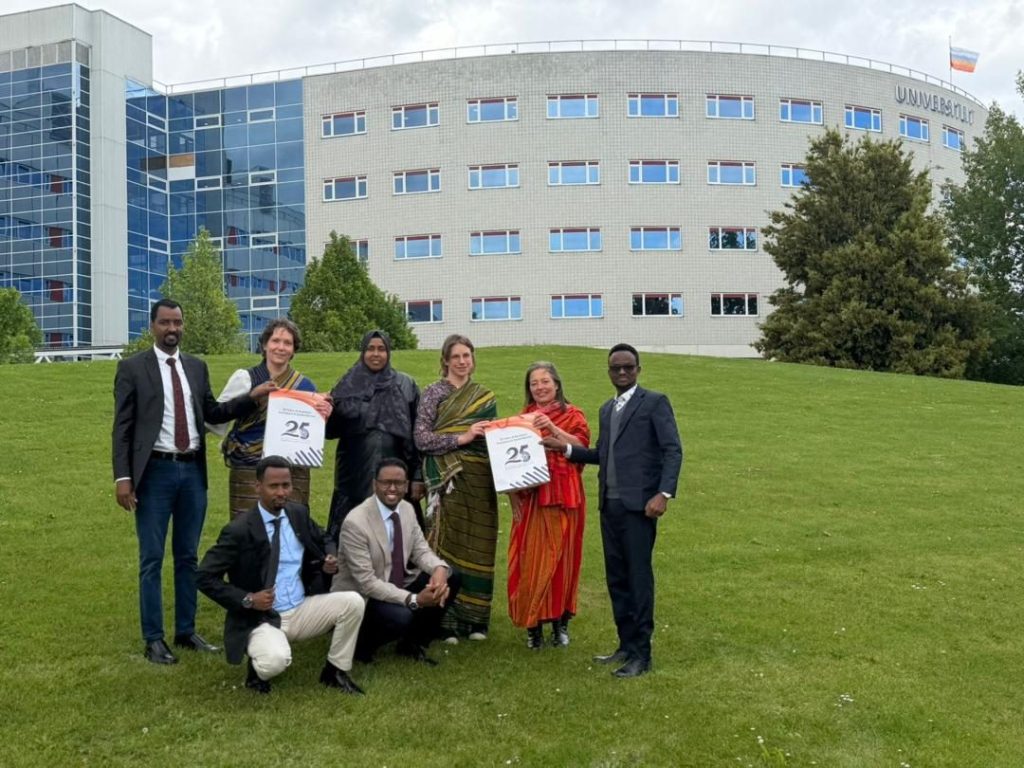
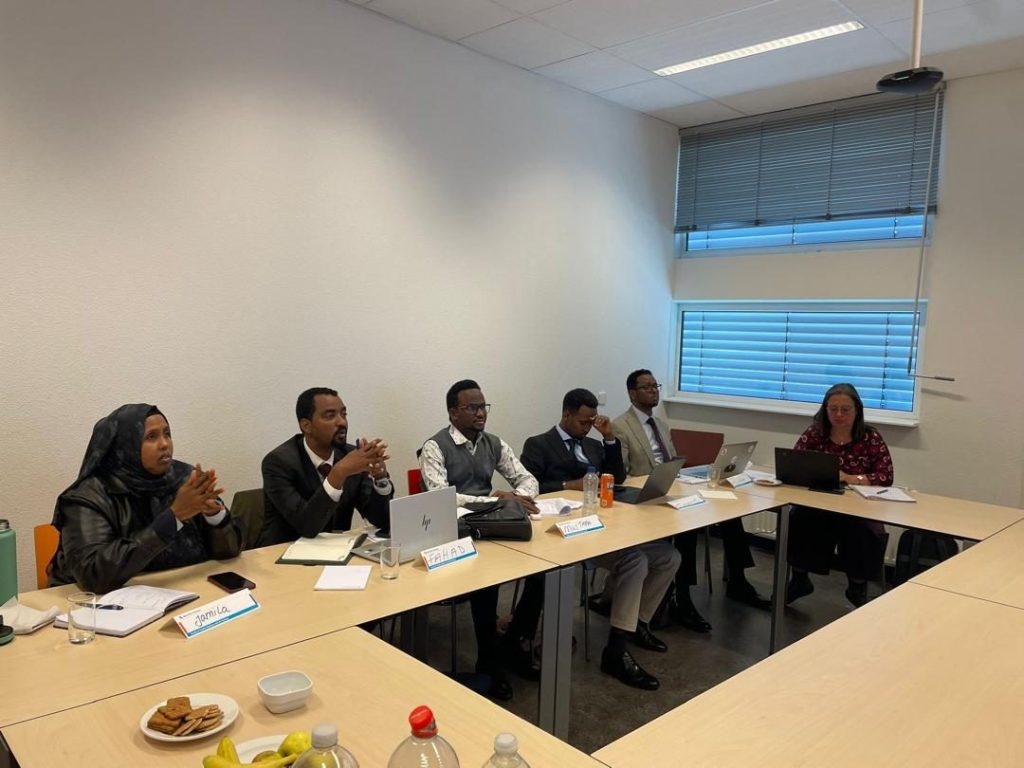
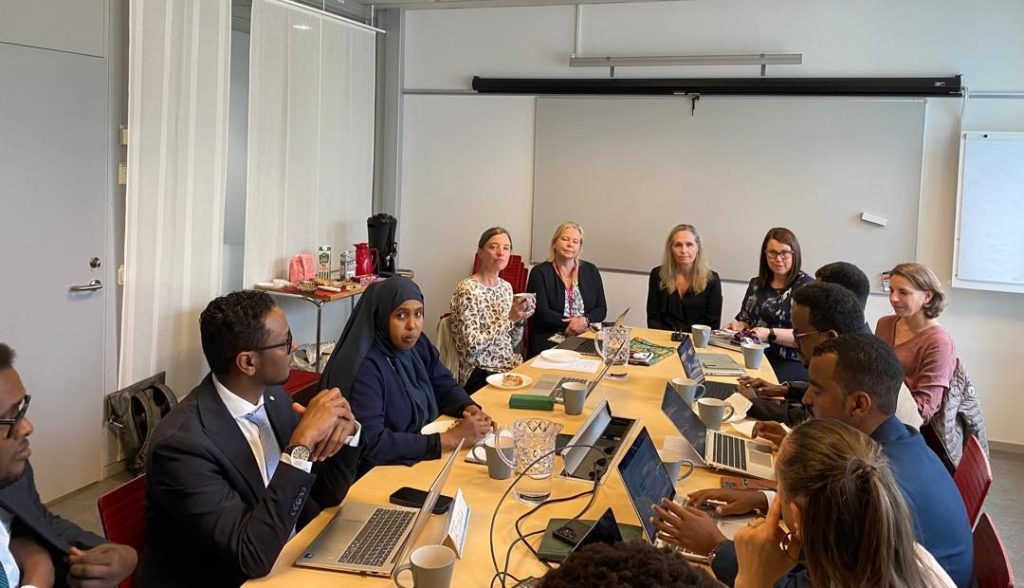
Partners convene in person and online for planning, review and joint workshops — including the May 2026 study visit across the Netherlands and Sweden.
Working together
One consortium, four institutions
Each partner nominates a key contact responsible for coordinating CURIOUS activities locally and liaising with the lead partner in Maastricht.
The Federal Ministry of Health Somalia has also joined project activities, including the study visit to Maastricht University and Karolinska Institutet in May 2026 — keeping the work connected to national health workforce planning.