CURIOUS Project cascading training strengthens academic capacity at SNU
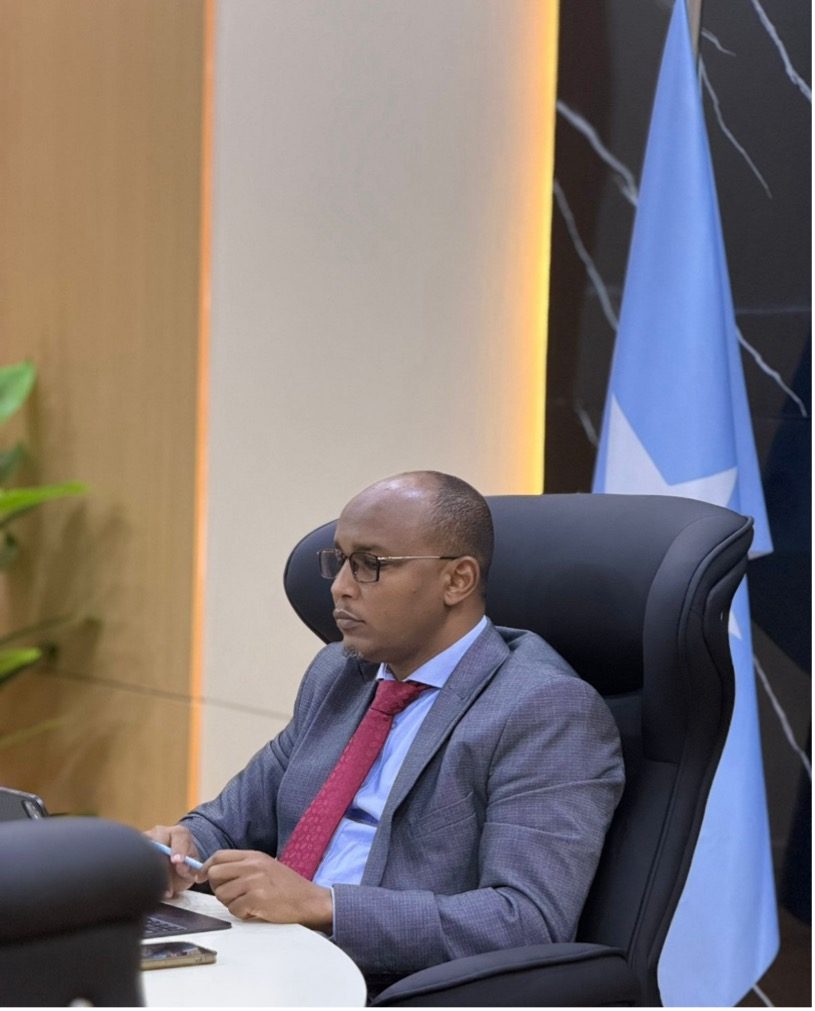
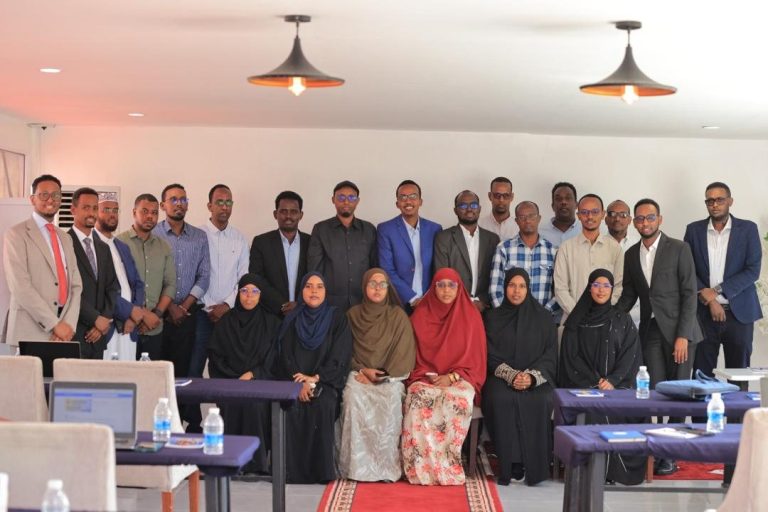
A two-day training in Mogadishu transferred knowledge from the international Training of Trainers programme to fifteen academic staff at Somali National University.
Somalia’s higher education system is undergoing significant reconstruction after decades of conflict, institutional fragmentation and underinvestment. Despite real progress in recent years, the sector still faces limited institutional capacity, weak research ecosystems and a critical shortage of qualified academic and professional staff.
The health system is constrained by a shortage of skilled professionals β doctors, nurses, midwives, laboratory technicians and public health specialists. That shortage is compounded by gaps in the quality, relevance and practical orientation of existing training programmes.
The result is a growing mismatch between the competencies universities produce and what the health system actually needs, particularly in primary healthcare, disease surveillance, sexual and reproductive health, and emergency response. CURIOUS exists to close that gap.
CURIOUS works across curriculum, research, people and institutions β because a resilient health workforce depends on all four moving together.
Co-creating context-relevant, competency-based health programmes that match what Somaliaβs health system actually needs β from primary healthcare to emergency response.
Building research ecosystems, evidence-based practice and the infrastructure Somali institutions need to generate locally relevant knowledge.
Strengthening faculty capacity and teaching quality, so academic staff can deliver modern, practically oriented health education.
Investing in institutional systems, governance and research infrastructure to make capacity gains sustainable well beyond the life of the project.
Four universities across two continents, bound by a single three-year Erasmus+ programme and one shared objective β a health workforce Somalia can rely on.
Uniting European pedagogical expertise with regional excellence to transform health professions education in Somalia.
The launch was formally opened by the Rector of Somali National University, who welcomed the collaboration between the four institutions and thanked the team that built the consortium.
The event brought together university leadership, academic staff, researchers and students, alongside the Rector of East Africa University and delegates from Karolinska Institutet and Maastricht University. Its hybrid format enabled broad participation and ensured international partners could take part fully.

A two-day training in Mogadishu transferred knowledge from the international Training of Trainers programme to fifteen academic staff at Somali National University.


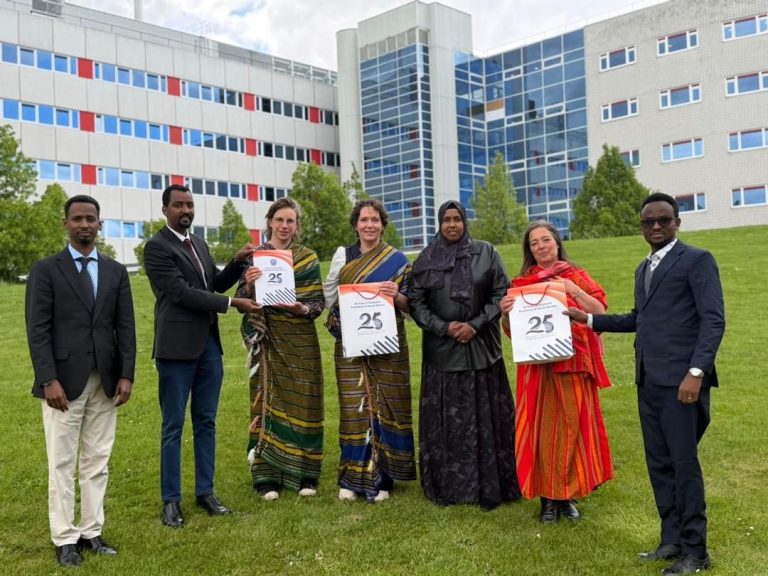
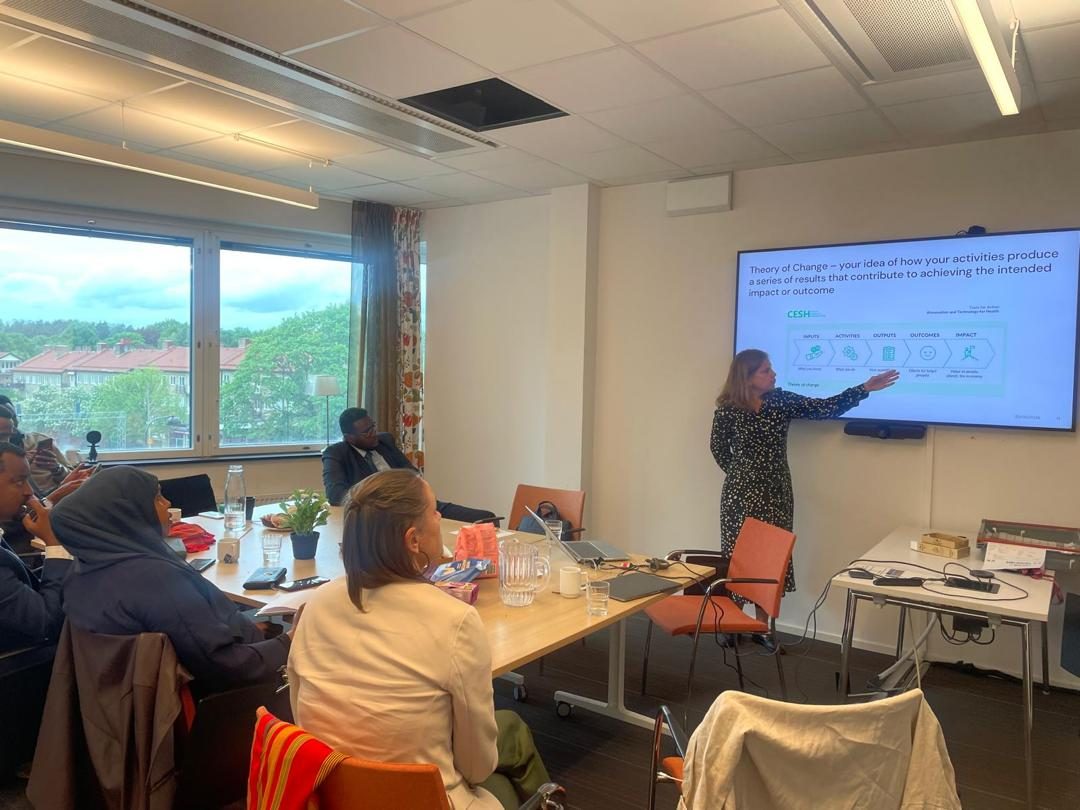
Representatives from SNU, East Africa University and the Federal Ministry of Health Somalia took part in an applied learning visit to Maastricht University and Karolinska Institutet.
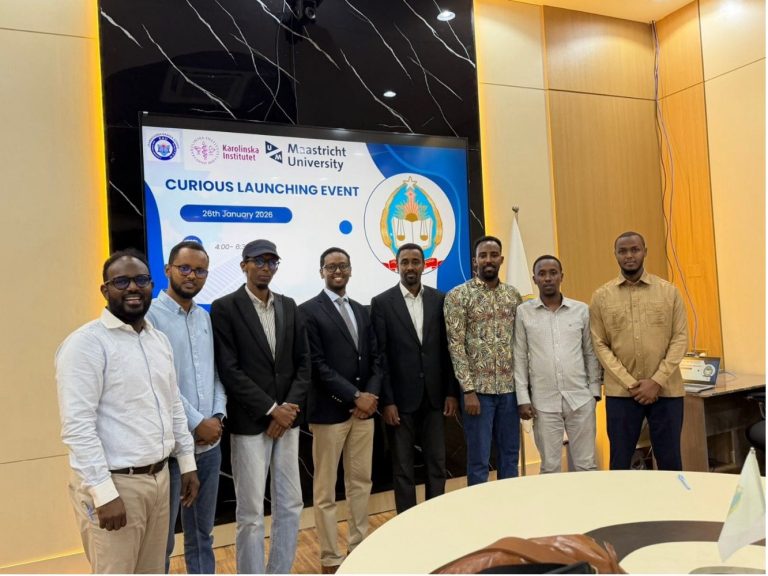
The hybrid launching event marked the formal initiation of a strategic academic partnership between Somali National University, East Africa University, Karolinska Institutet and Maastricht University.
We welcome enquiries from institutions, researchers, funders and students who share our commitment to strengthening higher education in Somalia.